
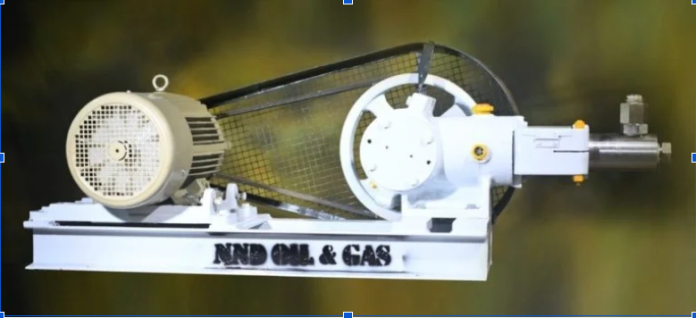

Placing an order for critical process equipment without a proper evaluation of the manufacturer behind it is a risk many buyers only recognise after something goes wrong. A structured evaluation before committing helps avoid the more common pitfalls that show up later during installation or operation. The evaluation should cover more than product availability and quoted pricing. Engineering resources, fabrication practices, testing procedures, documentation and after-sales support can all influence how effectively equipment performs once it reaches site. Reviewing these areas before placing an order gives buyers a clearer understanding of what they are actually purchasing.
Starting With the Right Questions
Before requesting a formal quote, it helps to understand how a manufacturer typically approaches new projects, including how much technical discussion happens before pricing is offered and what documentation is provided as standard practice. Early discussions can reveal whether the manufacturer is prepared to understand the application before proposing equipment. Questions about operating pressure, temperature, fluid characteristics, installation conditions and maintenance requirements can help establish whether the proposed approach is based on the actual process rather than a generic product specification.
Questions Worth Raising Early
- How is process data reviewed before a design is finalised
- What testing is standard before equipment is dispatched
- What support is available during and after commissioning
The answers to these questions can provide useful insight into how the manufacturer manages projects from specification through delivery. It is also worth asking who will handle technical queries during the project, as clear communication between engineering and procurement teams can prevent misunderstandings later.
Reviewing Technical Capability
A genuine oil and gas equipment manufacturer should be able to speak specifically about how they approach the application in question, rather than offering generic assurances that could apply to any project. This distinction usually becomes clear within the first few technical conversations. Technical capability can include design review, material selection, calculations, fabrication knowledge and testing procedures. Buyers should consider whether the manufacturer has the internal resources to address application-specific requirements and whether technical information can be supported by appropriate drawings, calculations or documentation when required.
Specialised Requirements Deserve Specific Attention
Some projects involve equipment with narrower expertise requirements, such as a liquid CO2 pump high pressure application, where cold-service materials and pressure handling both need specific engineering attention. A manufacturer without direct experience in this area may still quote confidently, but the resulting equipment can fall short once exposed to real operating conditions. Specialised applications can require closer consideration of pressure ratings, sealing arrangements, material compatibility and temperature limitations. For a liquid co2 pump high pressure application, these factors need to be considered together because a component that appears suitable under one operating condition may behave differently when exposed to sustained cold-service and elevated-pressure conditions.
Verifying Relevant Experience
Asking for evidence of similar past projects, including the specific pressure and temperature ranges involved, helps confirm whether claimed experience actually matches the application at hand. The relevance of previous experience matters more than simply the number of projects completed. Buyers can ask whether the manufacturer has handled comparable materials, pressures, temperatures and process fluids. This helps distinguish experience that is directly applicable from broader claims that may not reflect the technical requirements of the proposed equipment.
Documentation and Support Before Committing
- Confirm what documentation accompanies delivery, including material certification
- Check availability of technical support during installation
- Clarify spares availability and expected lead times
- Review warranty terms and what they actually cover
Documentation should be considered part of the equipment package rather than an administrative afterthought. Drawings, material certificates, inspection records and operating information can all become important during installation, commissioning and future maintenance, particularly when equipment is integrated into a larger process system.
A Simple Pre-Order Checklist
- Technical discussion happened before pricing was finalised
- Evidence of relevant experience was provided on request
- Documentation and testing practices were clearly explained
- Post-delivery support was confirmed, not just implied
Using a consistent checklist makes it easier to compare potential suppliers against the same requirements. When evaluating an oil and gas equipment manufacturer, buyers can also consider manufacturing capability, quality controls, lead times and communication practices alongside the technical criteria listed above. A structured review can also identify questions that need clarification before the purchase order is issued. Resolving these points early is generally easier than addressing specification gaps after fabrication has started or equipment has already been delivered to site.
Looking at the Full Supplier Relationship
The evaluation should not end once technical capability has been confirmed. Buyers also need to understand how the manufacturer manages communication, production updates, inspection arrangements and delivery commitments throughout the project. These practical aspects can influence how smoothly the order progresses. An established working process can make it easier to manage changes or resolve technical queries during fabrication. Understanding who is responsible for communication and how documentation is controlled provides additional clarity before the project moves from procurement into manufacturing and eventual installation.
Conclusion
A proper evaluation before placing an order catches gaps in experience or capability that a quote alone rarely reveals, saving considerable trouble once equipment reaches site. Taking the time to ask specific, pointed questions upfront pays off well beyond the initial purchase. NND OIL & GAS welcomes this kind of scrutiny, standing behind both its technical capability and its documented track record.