

What Brand Identity Actually Is
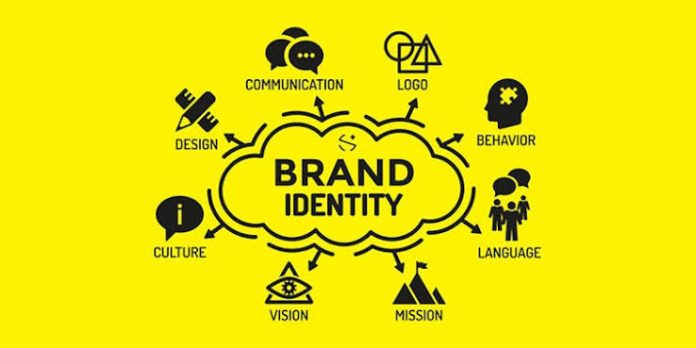
Brand identity is the collection of visual, verbal, and experiential elements that together create the consistent impression a business makes on every person who encounters it. The logo is one element; the colour palette, the typography, the tone of voice in every written communication, the imagery style, the packaging design, and the experience of interacting with the company’s customer service are all equally part of the brand identity that determines whether a brand is recognisable, trustworthy, and memorable. The brand that presents a consistent identity across all these touchpoints builds the recognition and trust that marketing spend alone cannot purchase.
The brand identity function that most clearly distinguishes strong from weak brands: the ability to convey the brand’s essential character without a single word. The Apple product on a table, the Nike swoosh on a running shoe, and the Tiffany blue box on a gift all communicate a complete set of associations — quality, aspiration, premium positioning — before the viewer reads a word of copy or hears a marketing claim. Building this level of identity recognition requires consistency over time, but it begins with the clear definition of what those associations should be and the disciplined expression of them across every brand element.
Defining the Brand’s Core Identity
The brand definition process that most effectively establishes the foundation for consistent identity expression: the articulation of the brand’s positioning (what space it occupies relative to alternatives in the customer’s mind), its personality (the human character traits that describe how the brand should feel — confident, warm, irreverent, precise), its values (the principles that guide every brand decision and that customers should associate with the company), and its voice (the distinctive way the brand communicates in words — the tone, the vocabulary, the level of formality, and the characteristic expressions that make the brand’s communication recognisable regardless of the channel).
The brand personality articulation exercise that most clearly defines the character the brand should express: the brand character comparison that specifies which of two opposing qualities better describes the brand across a range of dimensions. The brand that is more playful than serious, more bold than subtle, more direct than nuanced, and more aspirational than accessible has a character profile that is significantly more useful for guiding creative decisions than the generic descriptors (professional, trustworthy, innovative) that most brand briefs default to. The specific character that emerges from the opposing-qualities exercise provides guidance that creative teams can actually translate into consistent visual and verbal expression.
Visual Identity: The Elements That Create Recognition
The visual identity elements that together create the recognisable impression that constitutes brand recognition: the logo (the primary mark that is the most concentrated expression of the brand’s visual identity), the colour palette (the specific colours and their proportional usage that create the colour associations that are among the most immediately memorable brand elements — the specific red of Coca-Cola, the purple of Cadbury, the yellow of McDonald’s are each as recognisable as the brands’ logos in many contexts), the typography (the specific typefaces that carry the brand’s personality — the serif typeface that communicates tradition and authority, the geometric sans-serif that communicates modernity and clarity), and the imagery style (the consistent approach to photography, illustration, or graphic elements that makes visual content immediately attributable to the brand).
The visual identity investment that most determines long-term brand recognition: the consistency with which the visual identity is applied rather than the quality of any individual element. The modest logo applied consistently across every touchpoint over five years builds more recognition than the brilliant logo applied inconsistently. The brand guidelines document that specifies exactly how each visual element should be used, in what contexts, at what sizes, and with what spatial relationships is the implementation tool that enables consistency across the many people and contexts that will produce brand communications over the brand’s lifetime.
Brand Voice and Tone
The brand voice definition that most effectively guides consistent written communication: the brand voice guide that specifies the vocabulary the brand uses and avoids, the sentence length and structural patterns that characterise the brand’s writing, the level of formality appropriate for different contexts, and examples of on-brand and off-brand communication that illustrate the guidance in concrete terms. The brand voice guide that shows two versions of the same message — one that sounds like the brand and one that does not — and explains specifically what makes the difference provides more actionable guidance than the abstract descriptors that most brand voice documents provide.
The brand voice consistency challenge that most brands encounter as they scale: the variability that emerges when many different people are writing brand communications across different channels. The social media manager, the customer service team, the product team writing interface copy, and the sales team writing proposals are all communicating on behalf of the brand — and without clear voice guidance and ongoing training, each will default to their individual writing style rather than the brand’s distinctive voice. The brand training that familiarises everyone who writes on behalf of the brand with the voice guidelines and provides feedback on their communications is the ongoing investment that sustains voice consistency at scale.
Building Brand Recognition Over Time
The brand recognition building principle that most marketing programmes execute inconsistently: the repetition required to move from awareness to recognition to preference. The brand is not built in a single campaign but through the accumulation of consistent impressions over time. The brand that changes its visual identity, its messaging, or its tone with every new marketing campaign is starting the recognition-building process over with each iteration — never accumulating the impression depth that consistent expression builds over years. The brand that maintains its core identity while refreshing execution within the established system builds compounding recognition that newer entrants cannot quickly replicate.
The brand identity measurement approach that most honestly reveals whether the investment is producing recognition: the aided and unaided brand recall testing that assesses what proportion of the target market can spontaneously recall the brand when prompted with the category, and what proportion recognise the brand when shown the name or visual elements. The brand that is growing in unaided recall is building the top-of-mind awareness that influences purchase decisions before the customer has reached the active shopping stage; the one that is only growing in aided recall has achieved familiarity but not the instinctive association that most influences consideration.