

The Three Types of Crowdfunding and What They Offer
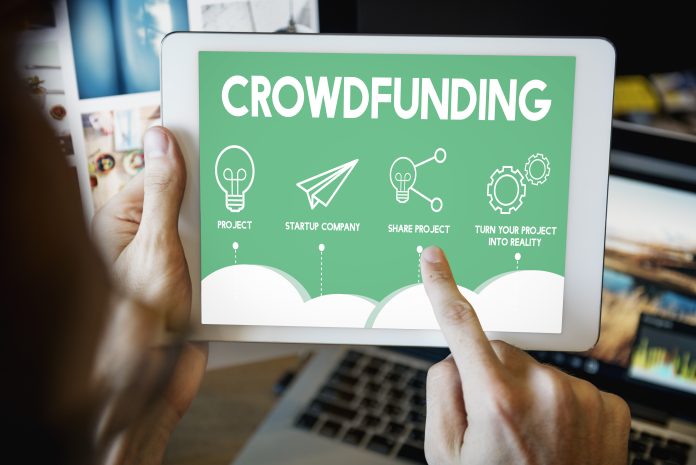
The crowdfunding landscape presents entrepreneurs with three fundamentally different mechanisms for raising capital from a large number of individual contributors, each with different legal structures, different return expectations, and different appropriate use cases. Reward-based crowdfunding (Kickstarter, Indiegogo) provides capital in exchange for the product being developed or for other rewards — contributors are pre-purchasing the product or receiving recognition rather than an ownership stake or financial return. Equity crowdfunding (Republic, Wefunder, StartEngine) provides capital in exchange for a small ownership stake in the business — contributors become shareholders who participate in the eventual financial outcome. Debt crowdfunding (Funding Circle, Kiva) provides capital in the form of loans that must be repaid with interest — contributors are lenders rather than owners.
The crowdfunding type selection principle that most efficiently matches the campaign to the business’s situation: the reward campaign is most appropriate for product companies with a consumer product that can be demonstrated and pre-sold to an excited audience before manufacturing; the equity campaign is most appropriate for businesses that have an established track record, a clear growth story, and the ability to maintain a shareholder relationship with a large number of small investors; the debt campaign is most appropriate for businesses with predictable revenue that need capital for a specific purpose and can service the loan from existing cash flow.
What Makes a Crowdfunding Campaign Succeed
The crowdfunding campaign success factors that most consistently distinguish funded campaigns from those that fall short: the existing audience or community (campaigns launched to a built-in audience of potential supporters — newsletter subscribers, social media followers, existing customers — succeed at dramatically higher rates than campaigns launched with no pre-existing base), the compelling story (the narrative that makes potential backers understand the problem being solved, believe in the solution, and feel emotionally connected to the mission outperforms the campaign that leads with specifications and features), and the early momentum (the campaigns that reach 30 to 40% of their funding goal in the first 48 hours are algorithmically promoted by the platform and receive the social proof that motivates late-joining backers).
The pre-launch investment that most determines campaign success: the audience building and community development that occurs in the months before the campaign launches. The product company that has spent six months growing its email list, engaging its social media following, and building relationships with the press and influencers who might cover the campaign has a fundamentally different launch capacity than the one that launches with no existing audience and expects the platform to provide discovery. Crowdfunding platforms do not automatically promote campaigns; they amplify campaigns that demonstrate early momentum from an existing audience.
Reward Crowdfunding Strategy
The reward tier design principles that most maximise both the total amount raised and the average backer value: the anchor product tier (the main product at a price that reflects genuine early adopter savings relative to the expected retail price — this is the tier that most backers will choose and that generates most of the campaign revenue), the super-fan tier (a higher-price tier with meaningful additional value — early access, personalisation, bundled accessories — that captures the significant minority of backers who want to contribute more and who often represent a disproportionate share of total campaign revenue), and the social tier (a lower-price tier that enables supporters who cannot afford the product tier to participate and feel connected to the project).
The reward crowdfunding campaign fulfilment reality that most first-time campaigners underestimate: the operational complexity of manufacturing and shipping a physical product to thousands of backers, often for the first time, under the time pressure of backer expectations that were set by the campaign’s estimated delivery date. The Kickstarter graveyard is populated with campaigns that successfully raised capital but that failed to deliver on their promises because the founders had not adequately planned the manufacturing, quality control, packaging, and logistics required to fulfil the campaign commitments. The manufacturing timeline, quality requirement, and logistics complexity should be planned in detail before the campaign launches, not after it funds.
Equity Crowdfunding Considerations
The equity crowdfunding regulatory context that makes it fundamentally different from reward crowdfunding: the sale of securities to the public, which is regulated by the SEC in the US and by equivalent bodies in other jurisdictions. The Regulation Crowdfunding (Reg CF) and Regulation A+ frameworks in the US allow businesses to raise capital from non-accredited investors through registered platforms, subject to disclosure requirements, investment limits, and ongoing reporting obligations that reward crowdfunding does not involve. The equity crowdfunding campaign creates actual shareholders who have legal rights and to whom the business has ongoing obligations.
The equity crowdfunding consideration that most affects the business’s future fundraising flexibility: the cap table complexity that results from a large number of small investors. The business that has raised equity from five hundred individual investors through a crowdfunding campaign has five hundred shareholders who must be communicated with, whose consent may be required for certain corporate actions, and who must be managed through any future corporate transaction. Professional venture capital investors may view a crowded cap table as an encumbrance — structures like special purpose vehicles (SPVs) that aggregate multiple small investors into a single line on the cap table can mitigate this concern and are worth considering before an equity crowdfunding campaign.
Crowdfunding as a Marketing Event
The crowdfunding campaign benefit that extends beyond the capital raised: the marketing and community-building value of a public campaign. The Kickstarter campaign that reaches its goal and generates press coverage has created a public validation event that demonstrates genuine market demand — an asset that is valuable in conversations with retailers, distributors, and future investors regardless of the amount raised. The campaign that generates ten thousand backers has also built a community of early adopters who are invested in the product’s success and who become the word-of-mouth engine for the post-campaign business.
The crowdfunding marketing leverage strategy that most effectively converts campaign exposure into lasting business value: the email list building that treats every campaign visitor who does not back the campaign as a potential future customer to be nurtured rather than a lost opportunity. The campaign that captures the email address of every visitor who is interested but not ready to commit generates a list of warm prospects who can be converted to customers when the product ships, who can be notified of future products, and who represent ongoing marketing value that extends well beyond the campaign’s funding period.